
Did you know that companies with highly collaborative teams are five times more likely to be high performing? Effective collaboration is not just about working together but about building workflows that turn group effort into real results. As remote and hybrid work continue to rise, mastering the principles behind team collaboration workflows helps organizations spark innovation, avoid common hurdles, and get the most from every project.
Defining Team Collaboration Process Workflow
Team collaboration process workflow is fundamentally about transforming collective inputs into meaningful organizational outcomes. According to the Input-Process-Output (IPO) model, this framework helps teams understand how different components interact to generate results.
At its core, a collaboration workflow involves three critical stages:
- Input: The initial resources, team composition, and contextual factors that set the foundation
- Process: The actual interactions, communication methods, and coordination mechanisms team members employ
- Output: The tangible results, solutions, or deliverables generated through collective effort
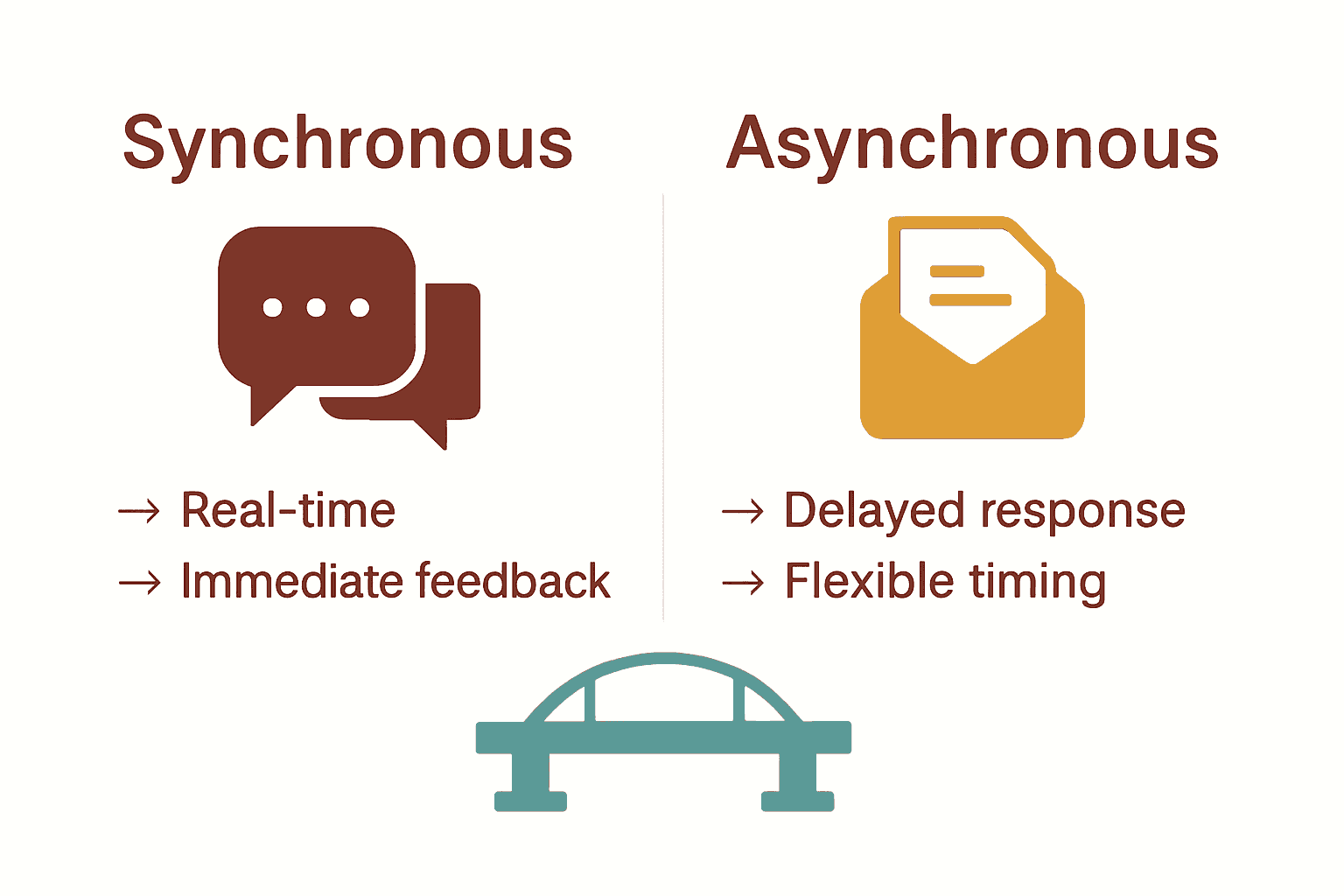
In today’s increasingly digital work environment, virtual collaboration plays a pivotal role in defining these workflows. As research from virtual collaboration studies indicates, teams now navigate complex communication landscapes that transcend traditional geographical boundaries. This involves leveraging both synchronous interactions like video conferences and real-time chat platforms, and asynchronous communication channels such as email and collaborative documentation systems.
Successful team collaboration workflows require intentional design. They must balance technological capabilities with human dynamics, creating seamless pathways for information exchange, decision-making, and collective problem-solving. The goal isn’t just completing tasks, but creating an integrated system where individual contributions merge into powerful collective intelligence.
Key Stages of Team Collaboration
Team collaboration doesn’t just happen by chance. According to research on the Input-Process-Output (IPO) framework, successful collaboration follows a structured progression of critical stages that transform team potential into tangible results.
The key stages of team collaboration can be strategically broken down into four primary phases:
- Communication Setup: Establishing clear channels and protocols for information exchange
- Coordination Mechanisms: Aligning individual efforts and defining role responsibilities
- Performance Monitoring: Tracking progress, identifying bottlenecks, and maintaining accountability
- Feedback Integration: Creating continuous improvement loops that refine team processes
Research from cross-organizational workflow studies highlights additional nuanced stages that enhance collaborative effectiveness. As findings from the EasyRpl research indicate, teams benefit from comprehensive workflow planning that includes resource-bottleneck analysis and precise time estimation. These techniques allow teams to anticipate challenges, allocate resources strategically, and create more predictable collaboration frameworks.
Ultimately, successful team collaboration is about creating a dynamic, responsive system where communication flows seamlessly, individual strengths are leveraged, and collective performance becomes greater than the sum of individual contributions. By understanding and intentionally designing these key stages, teams can transform potential friction points into opportunities for innovation and synchronized achievement.
Types of Workflows for Teams
Team collaboration workflows are not one-size-fits-all solutions. Instead, they represent dynamic systems that adapt to different communication needs, organizational structures, and project requirements. According to virtual collaboration research, these workflows primarily emerge in two fundamental interaction models.
Interaction-Based Workflow Types
Here’s a comparison of synchronous and asynchronous team collaboration workflows:
| Workflow Type | Key Characteristics | Typical Tools |
|---|---|---|
| Synchronous | Real-time interaction Immediate responses |
Video conferencing Live chat |
| Asynchronous | Delay between messages Flexible timing |
Email Collaborative docs |
- Synchronous Workflows
- Characterized by real-time interactions
- Includes video conferences, live chat platforms
- Enables immediate decision-making and rapid problem-solving
- Best for urgent discussions and complex collaborative tasks
- Asynchronous Workflows
- Involves delayed interactions through email and shared databases
- Supports flexible work across different time zones
- Allows team members to contribute at their own pace
- Ideal for detailed documentation and thoughtful responses
Cross-organizational collaboration introduces additional workflow complexity. As research from EasyRpl indicates, these advanced workflows involve concurrent and interdependent tasks across multiple departments. Such workflows require sophisticated modelling and simulation techniques to manage intricate interactions and potential bottlenecks.
Successful teams recognize that workflow selection isn’t just about communication speed, it’s about matching the right interaction style to specific project demands, team dynamics, and organizational goals. The most effective workflows seamlessly blend synchronous and asynchronous approaches, creating adaptable collaboration systems that maximize team potential.
Essential Tools and Technologies for Collaboration
Team collaboration technologies have revolutionized how modern organizations work together. According to research from tech collaboration experts, these tools encompass a comprehensive ecosystem designed to streamline communication, enhance productivity, and bridge geographical distances.
Core Collaboration Tool Categories
Key technological tools fall into several critical categories:
- Communication Platforms
- Real-time messaging systems
- Video conferencing solutions
- Voice call integration
- Group chat channels
- Document Management
- Cloud-based file sharing
- Simultaneous document editing
- Version control systems
- Centralized document repositories
Research from TechTarget highlights that effective collaboration tools must provide multiple integrated features. According to platform analysis, the most successful technologies offer unified environments that combine multiple functions seamlessly. This means teams can transition between communication, document creation, project tracking, and scheduling without switching between multiple applications.
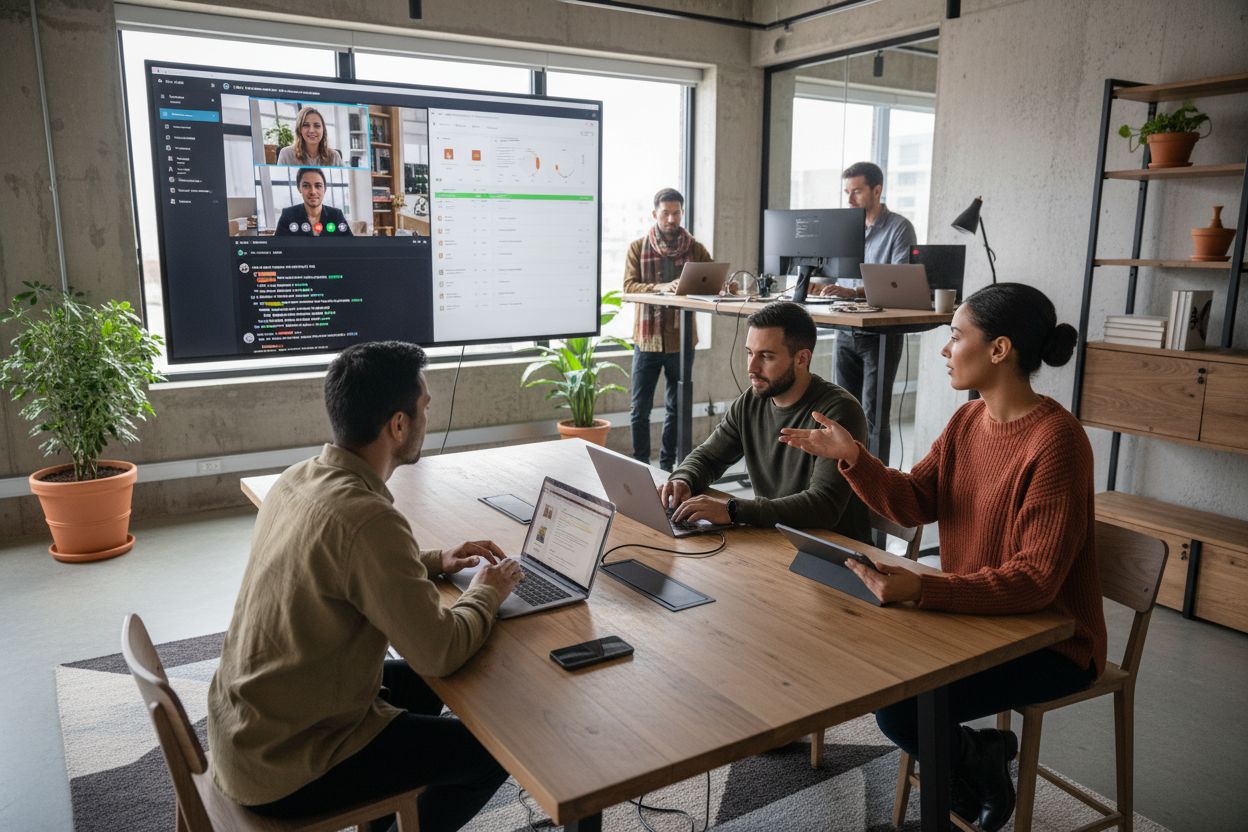
Modern collaborative technologies prioritize flexibility and accessibility. Whether team members work remotely, in hybrid environments, or traditional office settings, the right technological infrastructure enables smooth information exchange and collective problem-solving. The goal isn’t just technological integration, but creating a digital workspace that feels as natural and intuitive as in-person collaboration.
Common Barriers and How to Overcome Them
Team collaboration isn’t without its challenges. Every organization encounters obstacles that can derail effective teamwork, but understanding these barriers is the first step toward creating more resilient and adaptive workflows.
Key Collaboration Barriers and Strategic Solutions
- Communication Limitations
- Misinterpretation of digital messages
- Lack of non-verbal context
- Reduced emotional nuance in interactions
- Solution: Implement video conferencing, use clear communication protocols
- Technological Constraints
- Inconsistent tool adoption
- Varying technological literacy
- Platform compatibility issues
- Solution: Standardize tools, provide comprehensive training
According to virtual collaboration research, one of the most significant challenges is simulating the richness of face-to-face interactions. The key is selecting tools that can enhance contextual transfer and maintain high-interaction fidelity.
Cross-organizational workflows face additional complexities. Research from EasyRpl reveals that resource bottlenecks and misaligned task dependencies can severely impact collaboration efficiency. To combat this, teams should leverage advanced simulation tools that provide transparency into resource allocation, time management, and potential workflow interruptions. The most successful teams don’t just identify barriers, they proactively design systems that anticipate and mitigate potential collaboration challenges before they become critical impediments to collective progress.
Best Practices for Lasting Team Engagement
Team engagement is not a one-time achievement but a continuous process of nurturing collective motivation and alignment. According to the Input-Process-Output (IPO) model, sustaining engagement requires strategic management across multiple dimensions.
Key Strategies for Maintaining Team Momentum
- Diverse Team Composition
- Blend complementary skills
- Encourage varied perspectives
- Create inclusive environments
- Foster psychological safety
- Continuous Interaction Optimization
- Regular feedback mechanisms
- Transparent communication channels
- Collaborative goal-setting
- Recognition of individual contributions
Research from collaboration tool experts highlights that technological infrastructure plays a crucial role in maintaining team engagement. The most effective platforms provide seamless integration of group chat, real-time document editing, and workflow visibility, creating an environment where team members feel continuously connected and valued.
Successful teams understand that engagement is about more than just completing tasks. It’s about creating a dynamic ecosystem where individual strengths are recognized, collective goals are meaningful, and each team member feels genuinely invested in the shared journey. By intentionally designing workflows that balance technological efficiency with human-centric interaction, organizations can transform team collaboration from a mechanical process into a vibrant, adaptive system of collective achievement.
Transform Team Collaboration With The Nest
Are rigid workflows, endless virtual meetings, or disconnected remote teams holding your potential back? The article has shown how powerful workflows depend on clear communication, coordination, and real connections. Yet, even the best tools and models fall short when people feel drained or disconnected. Imagine your team escaping the daily grind to rediscover creative energy and true collaboration in a place built just for them.
Take your teamwork beyond screens and spreadsheets. Plan your next retreat or off-site at The Nest, where thoughtfully designed spaces and curated group experiences break through collaboration barriers. Reignite engagement, build lasting bonds, and return with a renewed sense of purpose. Visit https://sharethenest.com to see how you can spark real change for your team today. Make space for breakthrough results, get started now.
Frequently Asked Questions
What is a team collaboration process workflow?
A team collaboration process workflow is a structured framework that transforms collective inputs into organizational outcomes, following three primary stages: input, process, and output. It encompasses how team members interact, communicate, and coordinate efforts to achieve tasks and deliver results.
What are the key stages of team collaboration?
The key stages of team collaboration include communication setup, coordination mechanisms, performance monitoring, and feedback integration. These stages help teams to establish effective communication, define roles, and maintain accountability while continuously improving their workflows.
What types of workflows are used in team collaboration?
There are two primary types of workflows in team collaboration: synchronous and asynchronous workflows. Synchronous workflows involve real-time interactions, while asynchronous workflows allow flexible timing for responses, accommodating various schedules and time zones.
What are the common barriers to effective team collaboration?
Common barriers include communication limitations, technological constraints, and misaligned task dependencies. Solutions involve implementing video conferencing, standardizing tools, providing training, and utilizing advanced simulation tools to enhance resource management and workflow efficiency.