
Did you know that teams who regularly participate in workshops show a 25 percent boost in collaboration and productivity? For organizations looking to build trust, improve communication, and spark creativity, traditional meetings just do not deliver the same impact. Team building workshops use interactive methods that turn disconnected groups into tightly connected units with stronger skills and better morale.
Defining Workshops in Team Building
A team building workshop is far more than a standard meeting or training session. According to research, it represents an interactive learning environment specifically designed to enhance group dynamics, skills, and collaborative potential. These sessions go beyond traditional lecture formats, focusing instead on hands-on, experiential learning that actively engages participants.
Workshops create unique opportunities for team members to interact outside typical workplace hierarchies. As research from Wikipedia indicates, these environments are characterized by group-based practical activities where participants engage directly through self-directed learning and reflective processes. This approach allows teams to:
- Develop new skills collaboratively
- Break down communication barriers
- Explore creative problem-solving techniques
- Build stronger interpersonal relationships
Interestingly, the physical or virtual design of workshop spaces can significantly impact social interactions. Research exploring virtual reality workshop environments suggests that spatial configuration profoundly influences group dynamics. According to studies, smaller virtual rooms tend to create more cohesive group experiences, while larger spaces offer greater personal flexibility. This insight underscores how thoughtful environment design can dramatically enhance workshop effectiveness, whether conducted in physical or digital settings.
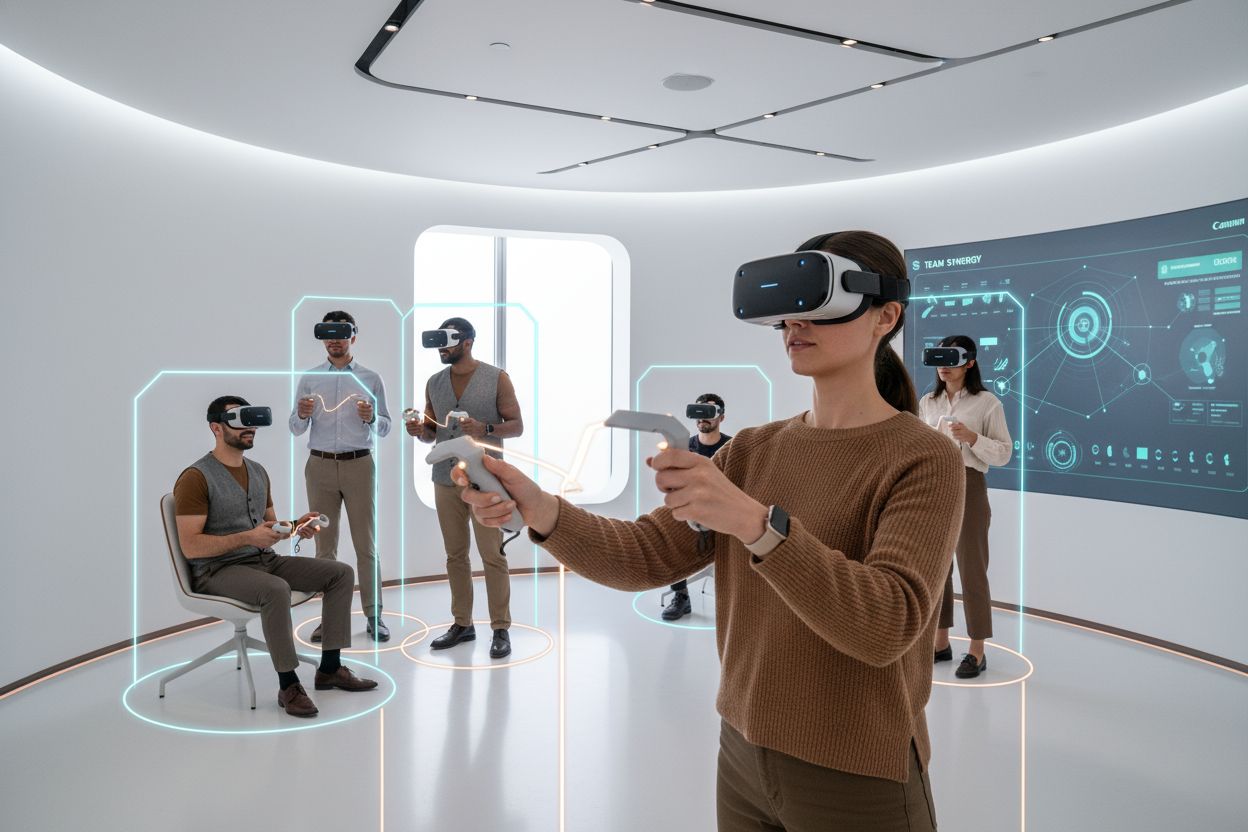
Ultimately, team building workshops are strategic interventions that transform individual contributors into synchronized, high-performing teams by creating immersive, participatory learning experiences.
Different Types of Team Building Workshops
Team building workshops aren’t one-size-fits-all experiences. According to research from Corporate Challenge, these programs span multiple categories designed to address specific organizational and personal development needs.
Skill-Based Workshops
These workshops focus on developing critical professional competencies. Key areas include:
- Communication Skills: Enhancing dialogue and interpersonal understanding
- Leadership Development: Cultivating strategic thinking and team management
- Conflict Resolution: Teaching techniques for constructive problem-solving
- Time Management: Improving individual and collective productivity
Creative and Experiential Workshops
Research from Scavify highlights innovative approaches that break traditional learning boundaries. Popular formats include:
- Improv sessions that boost spontaneity and communication
- Scavenger hunts promoting collaborative problem-solving
- Cooking classes emphasizing teamwork and creativity
- Mindfulness workshops focusing on emotional intelligence
- Escape room challenges testing collective strategic thinking
Unique workshop formats like charity-based builds and diversity and inclusion training offer additional dimensions of team development. These experiences go beyond skill acquisition, creating meaningful connections and fostering a deeper understanding of team dynamics and social responsibility.
Here’s a comparison of common types of team building workshops:
| Workshop Type | Main Focus | Typical Activities |
| Skill-Based | Professional competencies | Communication drills Leadership games Conflict exercises |
| Creative & Experiential | Innovative team interaction | Improv Scavenger hunts Cooking Mindfulness Escape rooms |
| Charity/Diversity-Focused | Social responsibility & empathy | Volunteer projects Diversity training |
| Technology-Driven | Collaboration & efficiency | Virtual reality sessions AI feedback |
The most effective workshops blend structured learning with engaging, interactive experiences that challenge teams to think differently, communicate more effectively, and develop stronger collective capabilities.
Core Elements That Make Workshops Effective
Not all workshops are created equal. Transformative team building experiences require carefully designed elements that go beyond simple activities. According to research from John Academy, successful workshops share several critical characteristics that distinguish them from ordinary meetings.
Strategic Design and Purpose
Every impactful workshop begins with crystal-clear objectives. Research indicates that effective workshops must have:
- A well-defined purpose
- Diverse, engaging activities
- Strong, purposeful facilitation
- A collaborative rather than competitive environment
High-Impact Focus Areas
Research from Scavify highlights key dimensions that elevate workshop effectiveness. The most transformative experiences concentrate on:
- Leadership Development: Cultivating strategic thinking skills
- Emotional Intelligence: Enhancing interpersonal understanding
- Problem-Solving: Creating structured challenges
- Communication Skills: Improving team interaction
- Diversity and Inclusion: Building organizational empathy
The magic of an exceptional workshop lies not just in its content, but in creating meaningful spaces for reflection and genuine interaction. Successful workshops balance structured learning with opportunities for teams to process, discuss, and internalize new insights. This approach ensures that workshop experiences translate into tangible workplace improvements, moving beyond mere entertainment to create lasting organizational growth.
Real-World Applications for Corporate Teams
Corporate team building workshops are no longer just theoretical exercises. They have evolved into strategic tools that directly address real business challenges and drive organizational performance. According to research from Kirk Leadership, modern workshops are increasingly designed to create tangible, measurable outcomes.
Innovation-Driven Workshop Approaches
One powerful application is the innovation workshop or hackathon. These intensive sessions bring cross-functional teams together to:
- Rapidly prototype solutions
- Brainstorm breakthrough ideas
- Address complex business problems
- Generate actionable strategic insights
Technology-Enhanced Collaboration
Emerging technologies are transforming workshop experiences. Research from Arxiv highlights fascinating developments like AI-enabled coaching systems that can:
- Monitor team interactions in real-time
- Provide dynamic collaboration interventions
- Identify communication barriers
- Suggest immediate performance improvements
These advanced approaches demonstrate how team building has shifted from abstract team-bonding activities to precise, data-driven interventions. By combining structured learning, technology, and practical problem-solving, modern workshops create environments where teams don’t just connect, they strategically evolve. The goal is no longer just improved relationships, but enhanced organizational agility, innovation capacity, and collective intelligence.
Common Pitfalls and How to Avoid Them
Even the most well-intentioned team building workshops can go wrong. According to research from Executive Group, many organizations inadvertently sabotage their own efforts by overlooking critical planning considerations.
Planning and Design Challenges
The most significant workshop pitfalls emerge during the initial planning stages. Key mistakes include:
- Ignoring individual team member preferences
- Over-scheduling activities
- Losing sight of core workshop objectives
- Selecting inexperienced or inappropriate facilitators
Strategic Mitigation Approaches
To prevent workshop failure, teams should:
- Conduct Pre-Workshop Surveys: Understand team dynamics and individual learning styles
- Define Clear, Measurable Objectives: Ensure every activity connects to broader goals
- Build Flexibility into the Agenda: Allow breathing room and organic interaction
- Select Skilled Facilitators: Prioritize experience over cost
- Create Psychological Safety: Design environments where participants feel comfortable sharing
The most successful workshops aren’t perfect, they’re responsive. By anticipating potential disengagement and building adaptability into the design, teams can transform potential pitfalls into opportunities for genuine connection and growth. The key is maintaining a balance between structured learning and organic, human-centered interaction.
Transform Team Workshops Into Lasting Impact at The Nest
If you are tired of disconnected meetings, drained teams, and workshops that do not drive real change, it is time to break the pattern. This article reveals how immersive, interactive workshops can elevate skills, spark creativity, and turn individual contributors into cohesive teams. But many organizations still struggle with lackluster environments, uninspired agendas, or awkward group dynamics, leaving team potential untapped.
At The Nest, we turn theory into reality. Imagine your team in a thoughtfully designed retreat. Experience creative hands-on workshops, deep strategy sessions, and genuine moments of connection, all tailored to help teams grow stronger together.
Frequently Asked Questions
What is a team building workshop?
A team building workshop is an interactive learning environment designed to enhance group dynamics and collaborative potential among team members through hands-on, experiential learning.
What are the different types of team building workshops?
Team building workshops include skill-based workshops focusing on professional competencies, creative and experiential workshops that encourage innovative interaction, charity-based builds that promote social responsibility, and technology-driven workshops utilizing modern tools for collaboration.
What core elements make workshops effective?
Effective workshops include a clear purpose, engaging activities, skilled facilitation, a collaborative environment, and a focus on high-impact areas like leadership development, emotional intelligence, and communication skills.
How can organizations avoid common pitfalls in planning workshops?
Organizations can avoid common pitfalls by conducting pre-workshop surveys, defining clear objectives, building flexibility into the agenda, selecting experienced facilitators, and ensuring a psychologically safe environment for participants.